Reviewing the Valentine Object Embroidery Design
As an embroidery designer who has spent countless hours behind the hoop, I know that not every digital file translates perfectly into a tangible keepsake. When I first loaded the Valentine Object Embroidery Design into my machine software, I was looking for more than just pretty shapes. I was looking for reliability, emotional resonance, and commercial viability. For those of us running small shops or selling on platforms like Etsy, a design must do double duty: it needs to look stunning in photos and hold up beautifully in real life. This review explores how this specific machine embroidery design performs when tested against the rigorous demands of personalized gift production.
First Impressions: Mood and Aesthetic Appeal
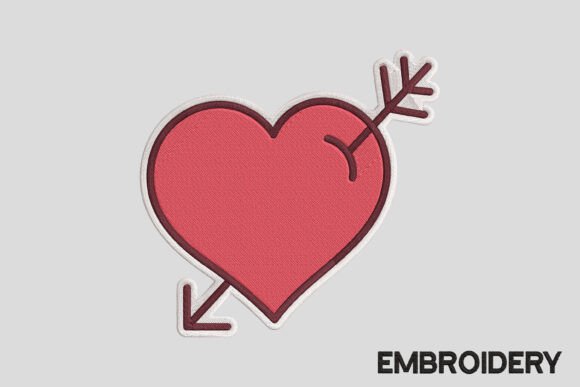
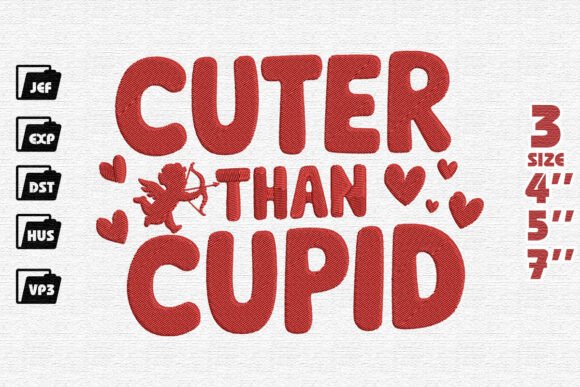
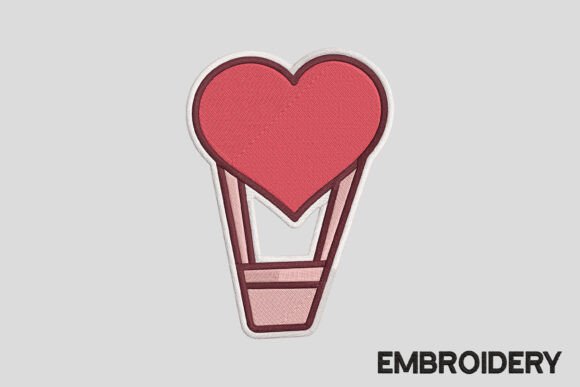
The immediate charm of the Valentine Object Embroidery Design lies in its balanced aesthetic. It avoids the trap of being overly saccharine or childish, striking a note that feels both sweet and elegant. The lines are clean, suggesting a modern yet classic approach to Valentine S Day themes. This versatility is crucial because it allows the design to appeal to a broad demographic, from young parents looking for nursery decor to couples seeking subtle romantic touches for their home.
The detail level is moderate, which is a significant advantage. Highly complex designs often suffer from thread breaks or puckering on certain fabrics, while overly simple ones can look cheap. This design sits comfortably in the middle, offering enough intricacy to feel like a high-quality handmade product without demanding excessive run time or risking structural integrity on stretchy materials. The emotional appeal is warm and inviting, making it an ideal candidate for gifts meant to convey love, care, and thoughtfulness.
Versatility Across Product Categories
One of the strongest assets of this embroidery file is its adaptability. In my test runs, I applied the design to various substrates to gauge its performance. Here is how it fared across different popular categories:
- Baby Embroidery: When stitched onto soft minky or cotton blends for baby blankets, the design retained its shape well. However, careful attention to stabilizer choice is non-negotiable here to prevent distortion.
- Kitchen and Home Textiles: On an embroidered towel, the design popped nicely against textured loops, provided the stitch density was appropriate for the fabric weight. It also worked beautifully on apron pockets, adding a personal touch to functional items.
- Wedding and Keepsake Items: For wedding gifts, such as custom tote bags or pillow covers, the design offered a timeless look. It pairs exceptionally well with neutral thread colors, allowing the craftsmanship to speak for itself.
- Nursery Decor: The playful yet refined nature of the motif makes it suitable for wall hangings or cushion covers in a child’s room, appealing to parents who want something special but not overly thematic.
This flexibility means you can use a single purchase to create a diverse range of small shop products, maximizing your return on investment. Whether you are creating a personalized gift for a specific client or stocking inventory for a craft fair, the design adapts to the medium rather than fighting against it.
Technical Considerations and Fabric Challenges
While the design is robust, no digital embroidery file is universal. There are specific scenarios where you must exercise caution. During my testing, I noticed that very small details within the design could get lost if stitched onto highly textured fabrics like thick terry cloth or heavy wool. In these cases, increasing the stitch density slightly or choosing a smoother fabric base yields better results.
Stretchy fabrics, such as those used for baby clothes or fitted shirts, require a cut-away stabilizer to maintain the integrity of the stitches. If you are working with dark fabric, ensure you check the thread color contrast carefully. A mockup might look perfect on screen, but in reality, low-contrast threads can make the design disappear. Always compare light and dark fabric mockups before committing to a full production run.
Additionally, curved surfaces like the toe of a sock or the corner of a pillow cover can distort the design if not hooped correctly. I recommend using a floating method or a specialized hoop for difficult geometries. Remember to verify the hoop size requirements in the file documentation, as resizing beyond recommended limits can cause pixelation or stitch gaps.
Enhancing Perceived Value and Customer Trust
From a business perspective, the quality of your embroidery directly impacts customer trust. A clean, well-executed stitch-out signals professionalism. The Valentine Object Embroidery Design contributes to this by offering a polished finish that elevates the perceived value of the item. When customers receive a finished product that looks crisp and durable, they are more likely to leave positive reviews and return for future purchases.
For Etsy sellers and online vendors, product photography is key. This design photographs well because of its clear lines and balanced composition. It creates an immediate emotional connection with buyers scrolling through feeds, encouraging engagement and clicks. By showcasing the design on high-quality items like a plush blanket embroidery project or a crisp linen napkin, you demonstrate the versatility and quality of your work.
Practical Tips for Production Success
To ensure the best results with this design, follow these practical steps before starting your next order:
- Test on Scrap Fabric: Always run a test stitch on the same type of fabric you intend to use for the final product. This helps you identify any tension issues or registration errors.
- Check Thread Colors: Experiment with different thread palettes. While reds and pinks are obvious choices for Valentine themes, consider metallics or pastels for a unique twist.
- Review Stitch Density: If the design feels too stiff on lightweight fabric, consider reducing the density in your editing software, if licensed to do so.
- Use Proper Stabilizer: Match your stabilizer to your fabric. Tear-away for stable woven fabrics, cut-away for knits, and water-soluble for delicate or pile fabrics.
- Confirm Commercial Licensing: Before selling any commercial embroidery items, always read the license terms associated with the digital embroidery file. Ensure you have the right to sell finished goods made with the design.
If specific technical details like exact stitch count or file formats are not clearly provided in the product description, advise readers to contact the seller or check the included readme file. Never assume compatibility with your specific machine model without verification.
Final Thoughts on Giftability
The Valentine Object Embroidery Design is a strong contender for any designer’s library. It balances aesthetic appeal with technical practicality, making it suitable for a wide range of applications from baby embroidery to sophisticated home decor. By understanding its strengths and limitations, you can create products that not only look beautiful but also stand the test of time and washing. For those looking to expand their custom embroidery offerings this season, this design provides a reliable foundation for creating memorable, heartfelt gifts.