Review: Smiley Face Houndstooth Faux Embroidery
As a designer who has spent countless hours digitizing patterns and troubleshooting thread breaks, I approach every new machine embroidery design with a mix of curiosity and skepticism. We have all seen the trend of "faux embroidery" graphics rise in popularity, particularly for sublimation and print-on-demand workflows. However, when I first loaded the Smiley Face Houndstooth Faux Embroidery into my workspace, my immediate question was not just about its digital appeal, but how it translates to tangible value for crafters and small business owners. This is not just another smiley face; it is a study in texture simulation and retro charm that requires careful handling to look professional in a finished product.
First Impressions and Visual Personality
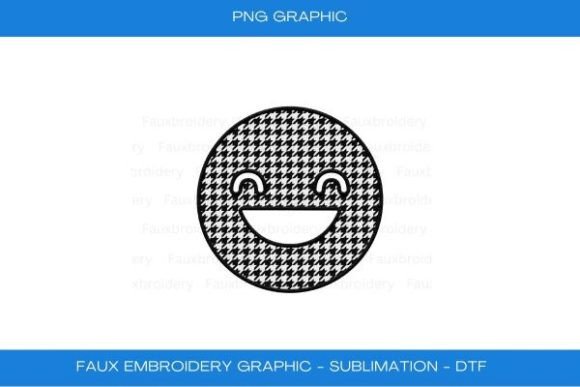
The initial visual impact of this graphic is undeniably cheerful yet sophisticated. By combining the classic houndstooth pattern with a universally recognized smiley face, the design bridges the gap between vintage textile aesthetics and modern pop culture. For an embroidery designer, the challenge lies in the "faux" aspect. Since this is primarily created as a graphic for sublimation or paper crafts, it mimics the look of stitching without the actual thread buildup. This creates a unique mood—playful but structured. The black-and-white contrast of the houndstooth provides a neutral base that allows the smiley expression to take center stage without overwhelming the substrate.
When evaluating this for real project use, I consider the visual weight. It is bold enough to be seen from a distance, making it ideal for items like tote bags or sweatshirts, but detailed enough to hold interest up close. The geometry of the houndstooth adds a layer of complexity that prevents the design from feeling too juvenile, expanding its potential audience beyond just children’s items to include adult apparel and home decor.
Real-World Application Scenarios
To truly understand the utility of the Smiley Face Houndstooth Faux Embroidery, I mentally placed it into several common production scenarios. Imagine preparing a custom order for a boutique client who wants a set of matching canvas tote bags. Using this graphic via sublimation on a polyester-blend canvas would result in a crisp, durable image that withstands washing better than some low-density stitch files might on thin fabric. The lack of actual thread means no puckering, which is a significant advantage for large-area designs on flexible materials.
Another strong use case is in the realm of digital products. For Etsy sellers and creative entrepreneurs who sell printable mockups or design assets, this graphic offers a high-value element that can be incorporated into digital planners, greeting cards, or wall art. The "embroidery" look provides a handmade feel to digital goods, enhancing their perceived value. For those running a craft business, this versatility is key. You are not limited to one medium; you can offer the same design on a pillow cover, a kitchen towel, or a paper invitation, maintaining brand consistency across different product lines.
Performance on Different Substrates
While the description notes it is great for t-shirts, tote bags, and pillows, I advise caution when selecting fabrics. Because this is a graphic representation of embroidery rather than actual stitching, it behaves differently than a traditional applique design or satin stitch file. On textured fabrics like heavy wool or rough linen, the fine details of the houndstooth pattern might get lost. It performs best on smooth, tight-weave fabrics where the print resolution can remain sharp. For stretchy fabrics, such as jersey knits used in t-shirts, ensure the sublimation process or printing method accounts for fabric movement to prevent distortion of the geometric pattern.
If you are considering using this as a reference for actual stitching—perhaps to create a hybrid product where you embroider over a printed base—you must check the stitch density carefully. Adding dense fill stitches over a printed houndstooth pattern could obscure the design rather than enhance it. In such cases, a simple running stitch outline might suffice to add tactile dimension without compromising the visual clarity of the underlying graphic.
Design Considerations for Crafters
For those integrating this into their embroidery project workflow, there are practical steps to ensure quality. First, always test the design on scrap fabric. Even though it is a graphic, seeing how the colors interact with your specific material is crucial. Check thread color contrast if you decide to add actual embroidery elements around the graphic. A white or cream thread might blend too much with a light background, while a bold black thread could complement the houndstooth pattern effectively.
Pay attention to the scale. If you are resizing the graphic for a small item like a baby onesie or a cap, ensure the houndstooth checks do not become so small that they blur together. Conversely, on a large blanket or pillow cover, the pattern should remain distinct. Review the design in black and white mockups to verify that the smiley face remains recognizable even without color cues. This is especially important for creating accessible designs that rely on shape and contrast rather than hue.
Commercial Viability and Brand Trust
From a business perspective, the Smiley Face Houndstooth Faux Embroidery offers a low-risk, high-reward option for expanding product catalogs. Since it avoids the high production costs associated with complex multi-color embroidery, it allows for higher profit margins on items like tote bags and apparel. For handmade shop owners, this efficiency means you can fulfill orders faster while still offering a product that looks intricate and thoughtful.
However, transparency is vital for customer trust. If you are selling a physical item, make it clear whether the "embroidery" look is printed or stitched. Misleading customers can damage your brand reputation. Instead, market it as a "faux embroidery style" or "printed texture design," highlighting the durability and comfort benefits of having no raised threads. This honesty builds long-term loyalty and positions your small shop as professional and reliable.
Final Verdict for Designers
The Smiley Face Houndstooth Faux Embroidery is a versatile asset for designers who understand its limitations and strengths. It is not a replacement for traditional high-density embroidery but rather a complementary tool for specific applications. Use it for projects where flatness and durability are priorities, such as activewear, bags, or items that undergo frequent washing. Avoid it for luxury items where the tactile richness of actual thread is expected.
Before finalizing any commercial use, confirm licensing terms. Ensure that the license covers both personal and commercial projects, especially if you are selling finished goods or digital derivatives. Check if the file format suits your workflow, whether it is for sublimation printing or digital design integration. With proper preparation and realistic expectations, this graphic can be a standout element in your collection of design assets, helping you create memorable, marketable products that resonate with buyers looking for joy and style in their everyday items.