Mug Sheep Easter Embroidery: A Designer’s Real-World Review
As a designer who has spent years translating digital concepts into thread, I approach every new machine embroidery design with a mix of curiosity and caution. We have all been there: you download a file that looks pristine on screen, only to find it turns into a puckered mess or an indistinguishable blob once the needle hits the fabric. Today, I am taking a close look at Mug Sheep Easter Embroidery, evaluating it not just as a piece of digital art, but as a viable asset for real-world production.
The first impression of this design is undeniably cheerful. It captures that specific, soft-hearted aesthetic that defines the spring season. However, my job is to look past the cuteness and assess the structural integrity of the artwork. When we talk about Illustrations and Graphics intended for sublimation or print, we often overlook how those shapes translate to stitch paths. For this review, I am imagining this design applied to a high-quality cotton tote bag or a baby’s knit onesie, two very different canvases that demand different technical approaches.
Visual Appeal and Stitching Clarity
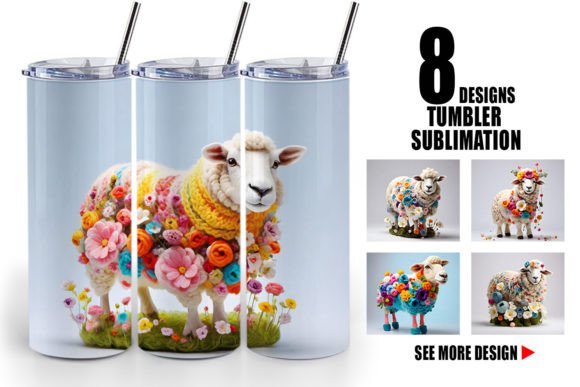
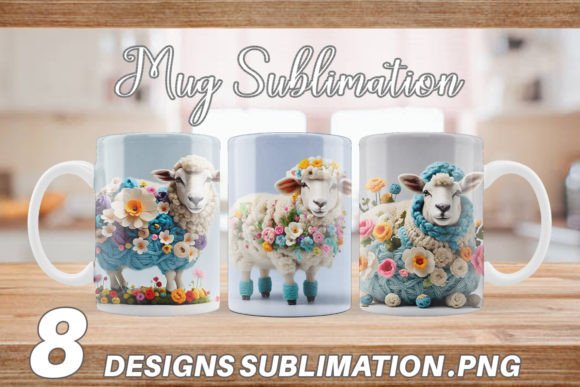
The layout of the sheep motif suggests a friendly, rounded composition. In embroidery, round shapes are generally forgiving, but they require careful management of fill stitch direction to avoid looking flat. If this design relies heavily on solid fills without varied angles, it may lack the texture that makes embroidered items feel premium. From a reviewer’s standpoint, I look for evidence of thoughtful digitizing. Are the edges defined by a clean satin stitch border, or do they rely on a simple running stitch outline? A satin border usually provides a crisper finish, which is crucial if you are selling this as a handmade product on platforms like Etsy.
For a personalized gift, clarity is king. If the sheep’s facial features are too small or clustered, they might merge together during stitching, especially on textured fabrics like terry cloth towels or waffle-weave blankets. I recommend zooming in on the preview files. If the eyes or mouth details are thinner than 2mm, they may not hold up well in a standard embroidery project unless you are using very fine threads and a high-end machine.
Real-World Application Scenarios
Let’s consider a practical scenario. You run a small boutique shop and want to create a line of holiday embroidery items for Easter. This design could work beautifully on a neutral-colored linen apron. The contrast between the rustic fabric and the playful sheep creates a charming juxtaposition that appeals to buyers looking for unique home goods. Alternatively, imagine this on a tote bag design. Tote bags are sturdy, allowing for denser stitching without excessive pull. Here, the design can shine as a central focal point, drawing the eye and adding value to what is otherwise a plain canvas bag.
However, applying this to custom apparel requires more nuance. On a sweatshirt embroidery project, the fleece background adds bulk. If the design is large, it might feel stiff against the skin. For baby embroidery, softness is non-negotiable. If you choose to put this on a onesie, ensure you use a soft, tear-away or cut-away stabilizer that won’t irritate delicate skin. The design’s placement should also be considered; off-center placements on the chest often look more modern and less like a uniform.
Technical Considerations for Crafters
Before you commit to a full production run, there are critical technical checks to perform. Since the source description mentions this is part of a sublimation pack with PNG files, it is vital to clarify whether you are purchasing a true digital embroidery file (such as PES, DST, or JEF) or just the image asset. If you are converting the PNG to stitches yourself using auto-digitizing software, be warned: automatic conversion rarely produces professional results. It often leads to excessive stitch density, which causes fabric distortion and thread breaks.
If you are working with the actual embroidery file, check the hoop size requirements. Does the design fit comfortably within a 4x4 inch hoop, or does it require a larger 5x7 or 6x10 frame? Trying to squeeze a large design into a small hoop can lead to registration errors. Additionally, test the design on scrap fabric first. Use the same material you intend to sell. Check how the thread colors interact with the fabric base. A white sheep on a white towel will disappear, while a pastel sheep on a dark navy shirt might lack sufficient contrast unless you use an underlay stitch effectively.
Navigating Fabric and Surface Challenges
Not all surfaces are created equal. If you plan to use this design on an embroidered patch, you have more freedom because patches are typically backed with heavy stabilizer and heat-sealed. However, curved surfaces like caps present a challenge. The curvature can distort the shape of the sheep, making it look stretched or warped. For cap projects, I recommend reducing the overall size of the design and ensuring the digitizing includes compensation for the curve.
Thin or stretchy fabrics are another area of caution. If you are decorating a lightweight rayon shirt, the weight of the stitches can cause the garment to pucker permanently. In these cases, consider using an applique design technique where the sheep’s body is made of fabric rather than thread. This reduces stitch count, keeps the garment flexible, and adds a lovely textural dimension to the finished product.
Commercial Viability and Brand Consistency
For Etsy sellers and craft business owners, consistency builds trust. If this design fits your brand’s aesthetic—whimsical, soft, and seasonal—it can be a strong addition to your catalog. But remember, customers are increasingly savvy. They can spot low-quality digitizing from a mile away. Ensure that your printable mockup images accurately represent the stitched result. Do not oversell the detail if the physical item is simpler.
Finally, always verify the licensing terms. Just because you bought the design assets does not automatically grant you the right to resell the digital file itself. Most licenses allow you to sell the small shop product or commercial embroidery item, but restrictions vary. Read the fine print to protect your business.
In conclusion, Mug Sheep Easter Embroidery offers a delightful visual theme that resonates with the spring market. Its success in your hands will depend entirely on your technical execution. By respecting the limitations of your materials, choosing the right stabilizer, and testing thoroughly, you can transform this graphic into a cherished personalized gift or a best-selling item in your store. Treat the design with the respect it deserves, and it will reward you with quality results.