Cute Chicken Embroidery: A Designer’s Holiday Review
As an embroidery designer who spends countless hours digitizing and testing files, I approach every new machine embroidery design with a critical eye. It is not just about whether the stitches look clean; it is about whether the design sells. When I first loaded the Cute Chicken Embroidery file into my software, I was immediately struck by its potential for seasonal collections. This is not merely a generic animal motif; it is a versatile asset that bridges the gap between spring celebrations and cozy holiday gifting. For Etsy sellers, small shop owners, and handmade gift makers, understanding how this design performs in real-world applications is crucial for maximizing profit during peak shopping periods.
First Impressions: Mood and Market Fit
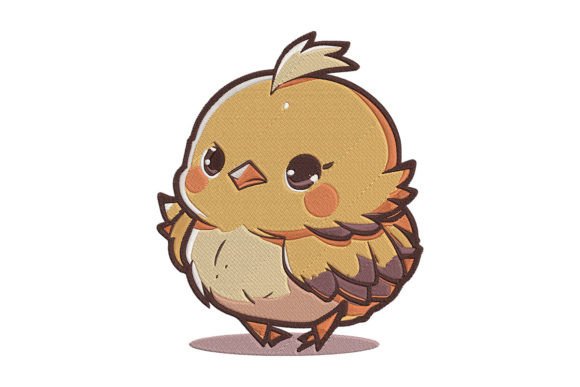
The immediate emotional tone of this design is playful yet comforting. In the crowded marketplace of Baby Animals themed Embroidery, standing out requires a balance of simplicity and charm. This baby chick design achieves that through soft curves and an approachable aesthetic. It feels nostalgic, evoking memories of childhood storybooks, which makes it incredibly effective for family-oriented products. The detail level is moderate, avoiding excessive complexity that might cause thread breaks on high-speed machines, while still offering enough definition to look premium on a finished product.
For holiday product creators, this design offers a unique angle. While chickens are often associated with spring or Easter, their "cozy" factor translates beautifully to autumn and winter collections when paired with the right color palettes. Imagine this chick embroidered in warm mustard yellows and burnt oranges on a rustic linen towel for Thanksgiving, or in soft pastels on a baby onesie for a spring baby shower. The versatility allows you to stretch your inventory across multiple seasons without needing entirely new digital assets.
Strategic Product Applications for Seasonal Sales
To truly leverage this digital embroidery file, we must look beyond standard t-shirts. Here is how I would deploy this design in a seasonal shop collection:
- Kitchen Towel Embroidery: This is perhaps the strongest application. Kitchen towels are high-volume sellers during the holidays. The design’s compact nature fits perfectly on hand towels, creating an instant "gift-ready" item when paired with a wooden spoon or jar of cookies.
- Sweatshirt Embroidery: Place the chick on the left chest area of a crewneck sweatshirt. This subtle placement appeals to adults who want cute but understated apparel. It works exceptionally well for "Mommy and Me" matching sets, a huge trend in personalized gifts.
- Tote Bag Design: Canvas totes are staples for craft fairs. Embroidering this chick on a natural cotton tote adds value and durability compared to printed designs. It appeals to eco-conscious shoppers looking for reusable, charming accessories.
- Pillow Cover and Home Decor: Use the design on square pillow covers for nursery decor or farmhouse-style living rooms. The texture of the thread against fabric like linen or cotton canvas adds a tactile quality that buyers love.
- Embroidered Patch: If your machine supports it, creating iron-on patches allows customers to customize their own jackets or bags. This expands your market to those who prefer DIY customization.
Navigating Technical Challenges and Fabric Textures
While the design is adorable, practical execution requires attention to detail. Not all fabrics behave the same way, and ignoring fabric texture can ruin a batch of products. Here are specific areas where caution is needed:
Stitch Density and Stabilizer: Always check the stitch density before running a full production batch. On thick items like terry cloth kitchen towels, you must use a cut-away stabilizer to prevent puckering. Conversely, on lightweight onesies, a tear-away stabilizer might suffice, but testing is non-negotiable. If the density is too high for delicate fabrics, the material may distort, ruining the perceived quality of the handmade gift.
Thread Colors on Dark Fabric: This design relies on visibility. If you plan to offer dark-colored apparel, such as navy or black sweatshirts, you must adjust your thread palette. Standard yellow may not pop. Consider using metallic gold threads for a festive holiday twist, or add a white underlay and border to ensure the chick stands out against dark backgrounds. However, be cautious with metallic thread as it can be brittle; reduce machine speed to prevent breakage.
Small Hoop Sizes and Curved Surfaces: If you are embroidering on curved caps or small baby booties, ensure the design fits within your smallest hoop size without losing integrity. Tiny details can get lost if the design is scaled down too aggressively. Always stitch a test sample on the actual garment type to confirm that the hoop size constraints do not compromise the visual clarity of the chick’s features.
Boosting Brand Value and Customer Trust
In the world of Etsy seller competition, presentation is everything. Using Cute Chicken Embroidery consistently across your product line helps build brand recognition. When customers see the same high-quality, charming design on a towel, a shirt, and a wall art piece, they perceive your shop as professional and cohesive. This consistency builds trust, which is vital for converting browsers into buyers during the hectic holiday shopping season.
Furthermore, this design enhances the "giftability" of your items. Shoppers are often looking for items that feel special and thoughtful. An embroidered chick suggests care and effort, unlike mass-produced printed goods. To maximize this, create realistic mockups that show the texture of the stitches. Use high-resolution photos that highlight the sheen of the thread and the precision of the edges. These visuals serve as powerful printable mockup assets for your social media previews and promotional graphics.
Essential Designer Notes for Commercial Use
Before listing any finished product featuring this design, there are critical steps to take to protect your business and ensure quality:
- Verify Licensing: Always confirm the commercial license terms provided with the embroidery file. Ensure you are allowed to sell physical items made with the design. Do not assume; read the documentation.
- Test Thread Combinations: Create a swatch book of thread colors that work best with this design. Offer these as "signature palettes" in your listings to help customers visualize options.
- Check Small Details: After stitching, inspect the eyes and beak of the chick. Are they clear? If not, you may need to adjust tension or needle size. Quality control is what separates hobbyists from professional small shop product creators.
- Plan for Washing: Inform customers about care instructions. Embroidery on items that need repeated washing, like baby clothes, must be secured properly. Recommend gentle cycles to maintain the integrity of the stitches over time.
In conclusion, Cute Chicken Embroidery is more than just a cute image; it is a strategic tool for your seasonal inventory. By understanding its technical requirements and leveraging its emotional appeal, you can create a diverse range of products that resonate with holiday shoppers. Whether you are decorating aprons, creating nursery art, or designing matching family outfits, this design offers the flexibility and charm needed to succeed in the competitive handmade market. Treat it with the professional care it deserves, and it will undoubtedly become a staple in your commercial embroidery portfolio.